As a devoted ramen critic, I’ve witnessed countless innovations in the world of Japanese noodles, but a recent development has truly captured my imagination. The news of a unique collaboration between Matsumoto Daiichi High School, JC, and Seven-Eleven to develop a new ramen utilizing discarded sake lees for a mellow flavor is not just a culinary experiment; it’s a potential game-changer for the industry and a testament to sustainable food practices.
The Visionary Minds Behind the Bowl
This isn't merely a new menu item; it's a profound statement on community, education, and environmental consciousness. The students of Matsumoto Daiichi High School, in partnership with JC, have embarked on an inspiring ramen development journey. Their goal: to transform what would typically be a byproduct—discarded sake lees (酒かす)—into the heart of a truly exceptional ramen. Seven-Eleven's involvement is crucial, providing a platform for this innovative creation to reach a wider audience, turning a local initiative into a potential nationwide sensation.
The dedication to sustainability, specifically by repurposing sake lees, speaks volumes. Sake lees, the nutrient-rich sediment left after sake fermentation, is often overlooked, yet it holds immense potential for depth of flavor and nutritional value. This collaboration elevates it from a waste product to a star ingredient, showcasing remarkable foresight and a commitment to reducing food waste.
The Soup: A Mellow Revelation Infused with Sake Lees
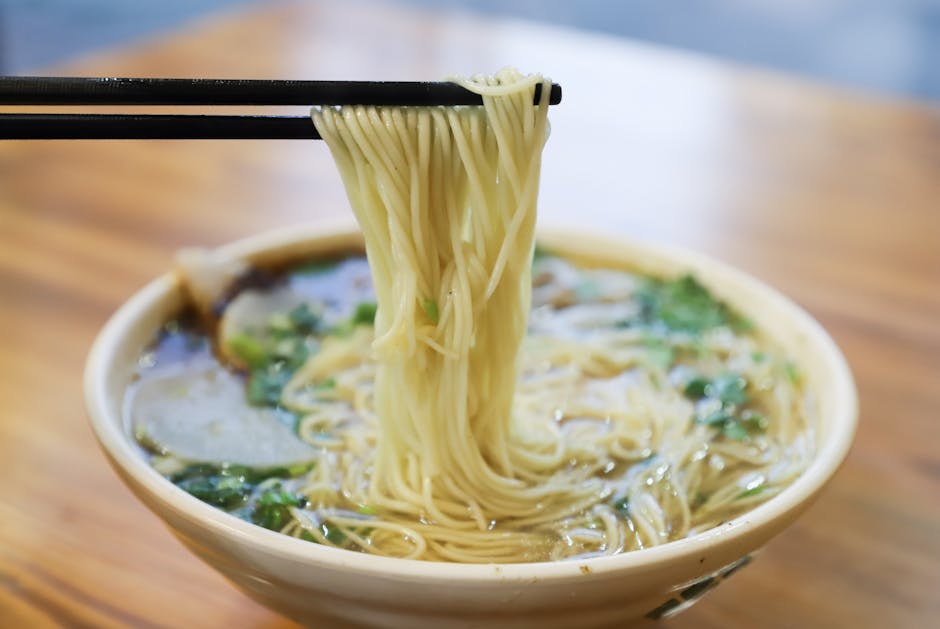
The core of this exciting new ramen lies in its soup, promising a "mellow flavor" (まろやか) derived from sake lees. Imagine a broth where the subtle, complex notes of sake lees are expertly integrated. We're talking about an infusion that could bring a creamy texture, a delicate sweetness, and a profound umami depth that’s unlike any traditional ramen broth. Sake lees naturally contains amino acids and beneficial microbes, which contribute to a rich, nuanced taste profile, adding layers of complexity without overpowering. This isn't just about adding sake flavor; it's about harnessing its inherent richness to create a truly harmonious and comforting experience. A well-crafted sake lees-infused broth could offer a gentle warmth and a lingering finish, making each sip a discovery.
The Noodles: A Perfect Canvas for Complexity
With a soup as uniquely flavorful as one infused with sake lees, the noodles must be chosen with precision. I envision a noodle that is slightly thicker than average, perhaps a medium-wavy type, with a satisfying chew (koshi). This texture would allow the noodles to perfectly absorb the mellow, rich broth, ensuring that every strand carries the full spectrum of its delicate flavors. The slight wave would also help to cradle the soup, delivering a burst of flavor with each slurp. The ideal noodle here would not compete with the broth but rather complement and enhance its unique characteristics, becoming a vessel for the sake lees' distinctive charm.
The Toppings: Harmonious Accents to Elevate the Experience
Toppings for such a ramen should be thoughtfully curated to enhance the mellow, sophisticated profile. I would anticipate classic elements like tender, melt-in-your-mouth chashu (braised pork belly), perhaps prepared with a lighter seasoning to allow the broth to shine. A perfectly seasoned ajitama (marinated soft-boiled egg) would add a creamy texture and a contrasting savory note. Thinly sliced green onions (negi) would provide a refreshing bite, while perhaps some finely shredded myoga (Japanese ginger) or a sprinkle of sesame seeds could introduce subtle aromatic complexity. Given the sake lees component, a garnish of delicate, almost translucent slivers of dried persimmon (a Nagano specialty) or even a hint of yuzu zest could add an unexpected, bright counterpoint, elevating the overall experience and showcasing the culinary creativity at play.
A Testament to Innovation and Passion
This initiative by Matsumoto Daiichi High School, JC, and Seven-Eleven is more than just ramen development; it's a beacon of innovation in the food industry. It demonstrates how traditional ingredients, when approached with creativity and a commitment to sustainability, can yield extraordinary results. The passion of the students and the collaborative spirit involved are truly inspiring, proving that the future of ramen is not just in perfecting the classics, but in boldly exploring new frontiers. I eagerly await the opportunity to savor this unique bowl, a testament to the power of sake lees and a truly mellow revolution in ramen.
Comments
Post a Comment